Leadership changes shake RTD amid resignations
Board resignations at RTD highlight significant strategic shifts amid leadership upheaval, posing challenges and opportunities.
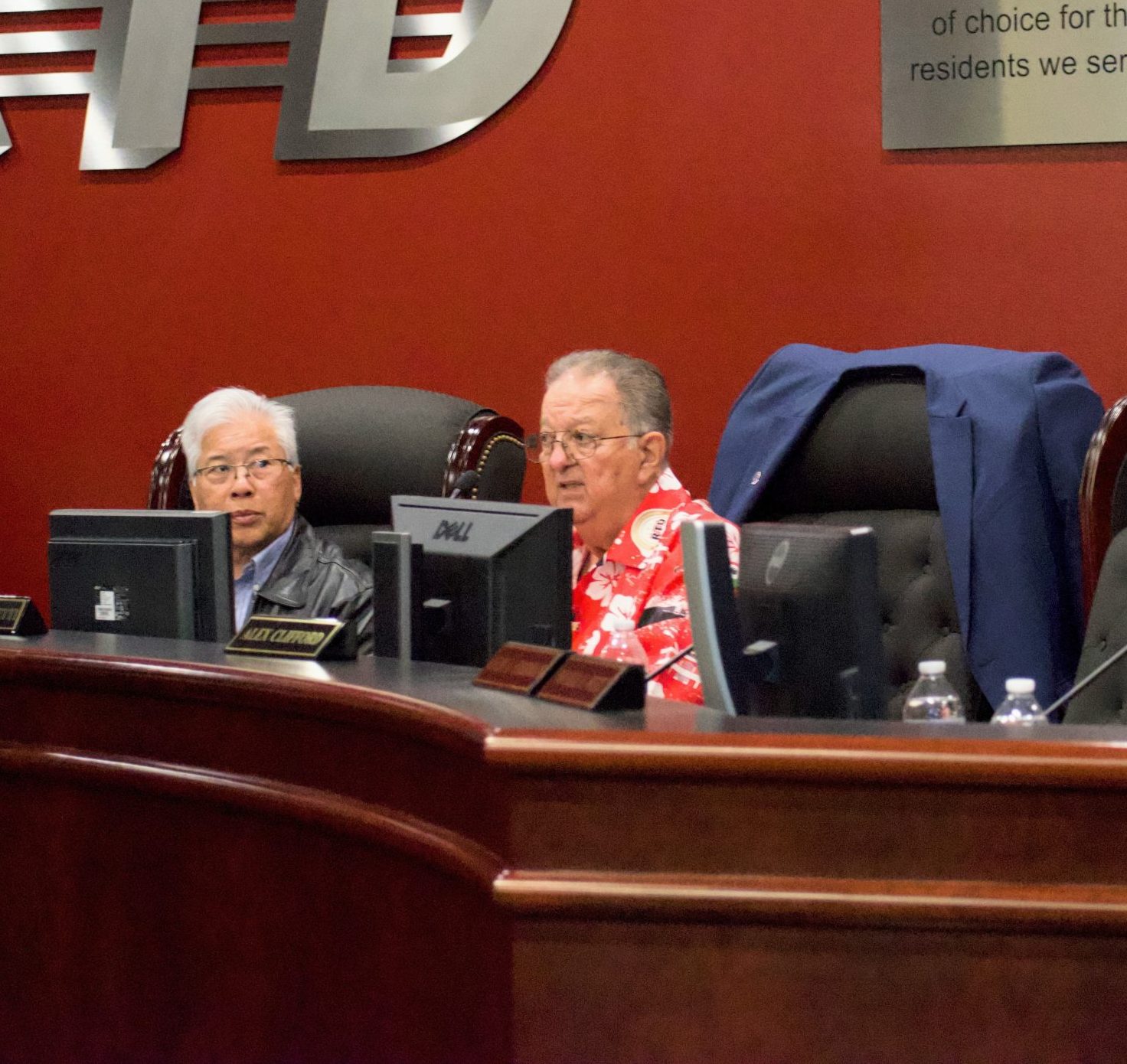
In a dramatic turn of events at the San Joaquin Regional Transit District (RTD), two seasoned board directors have resigned, highlighting a potential shift in the agency's strategic direction and governance. According to Andrea Baltodano in Stocktonia News, the resignations of Gary Giovanetti, a veteran of 18 years on the board, and Les Fong, who served since 2009, coincide with the appointment of Kimberly Turner as interim CEO. This upheaval raises significant questions about RTD's future management and operational strategies.
The timing of these departures is crucial. They come at a point when RTD is already grappling with substantial leadership challenges and is under heightened scrutiny for its service delivery and operational efficiency. The decision to appoint Turner, previously RTD's deputy CEO, was met with opposition from Giovanetti and Fong, who argued that more qualified candidates were overlooked. Yet, the majority bloc on the board, comprising Derek Graves Jr., Geneva Moorad, and Aaron Edwards, pushed forward with Turner's appointment, underscoring a potential realignment of priorities within RTD's governance.
The implications of these resignations extend beyond immediate boardroom dynamics. They reflect broader trends and pressures in the public transportation sector, where agencies are increasingly tasked with integrating technological advancements and meeting evolving customer expectations. As urban areas strive to recover from the impacts of the COVID-19 pandemic, the demand for reliable and efficient public transit services has intensified. Agencies like RTD must navigate these challenges while also addressing internal governance issues.
Leadership transitions in public agencies often herald significant policy shifts and strategic reorientations. Historically, changes at the top have paved the way for innovation and reform, driven by new leadership perspectives that emphasize modernization and adaptability. In the case of RTD, the board's composition will play a crucial role in shaping its future direction, particularly as it looks to implement long-term plans for expansion and modernization.
The departure of Giovanetti, who was instrumental in several strategic initiatives aimed at enhancing public transportation in the region, marks a notable loss for RTD. His efforts to secure voting representation for RTD on the San Joaquin Council of Governments, the transit district's funding agency, exemplify the strategic challenges he tackled. Giovanetti's frustration with the slow pace of progress in securing this recognition is indicative of the broader difficulties transit agencies face in aligning governance structures with operational needs.
As RTD navigates its current leadership vacuum, it also faces an ongoing dispute over $62 million in transit funding with the San Joaquin Council of Governments. This financial uncertainty compounds the agency's challenges, as it seeks to replace aging infrastructure and restore service levels. The board's decision to place former CEO Alex Clifford on leave, followed by his subsequent firing, has only added to the agency's tumultuous environment.
Looking forward, the strategic implications of these leadership changes are significant. With vacancies in critical administrative roles, including chief operating officer and chief financial officer, RTD must prioritize stabilizing its executive team to ensure effective governance and operational continuity. The appointment of Turner, whose contract spans six months with a substantial compensation package, places her at the center of these efforts. Her leadership will be pivotal in steering RTD through this period of transformation.
For stakeholders, including local government officials, transit advocates, and the public, the course RTD charts in the coming months will be closely watched. The agency's ability to navigate these challenges and implement effective solutions will be critical to restoring confidence and ensuring the continuity of essential services. This moment of transition presents both risks and opportunities for RTD, as it balances immediate operational needs with long-term strategic goals.
In the broader context of public transportation, RTD's experience underscores the complexities agencies face in adapting to a rapidly changing landscape. The integration of new technologies, coupled with the need for sustainable and customer-focused services, requires agile leadership and innovative thinking. As such, the agency's current leadership transition offers a case study in the challenges and opportunities inherent in managing public transit systems.
Ultimately, the resignations of Giovanetti and Fong, while disruptive, may catalyze a period of reflection and renewal within RTD. With a new leadership team at the helm, the agency has the opportunity to redefine its strategic priorities and strengthen its role in providing reliable and efficient public transportation services to the community.
Stay informed on leadership transitions
Get the latest insights on interim management, fractional leadership, and business transformation delivered to you.
Subscribe now