IKEA's strategic shift under interim CEO Rob Olson
Under interim CEO Rob Olson, IKEA pivots to small-format stores and partnerships with Best Buy to enhance U.S. market presence.
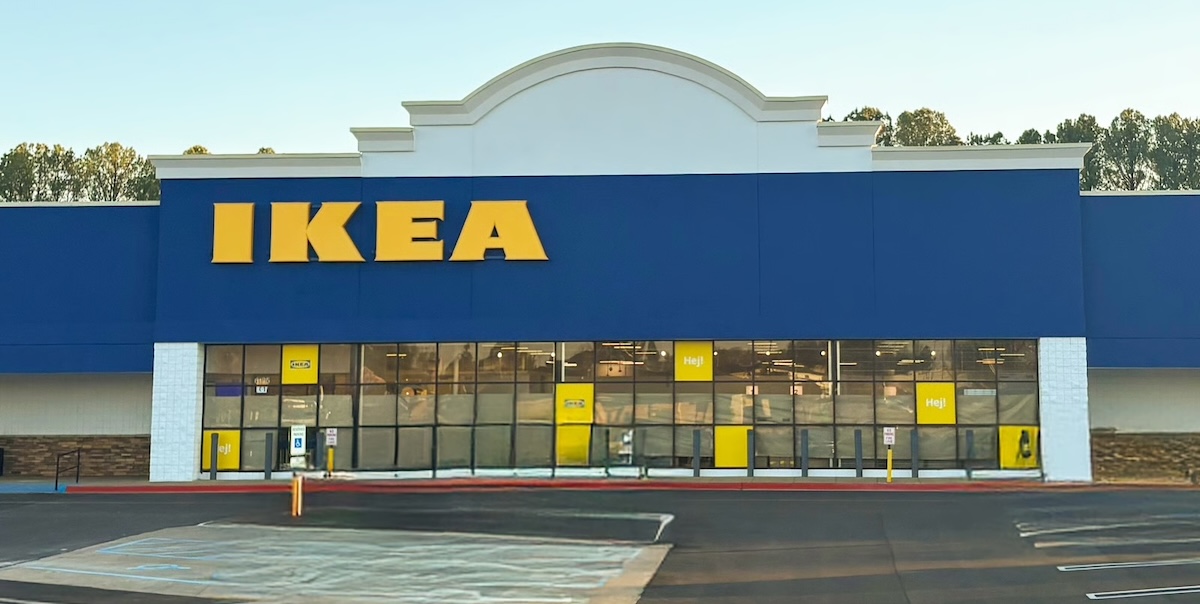
IKEA, the Swedish retail juggernaut, is in the midst of a strategic overhaul in the U.S. market, driven by the interim leadership of Rob Olson. As highlighted by Mitchell Parton in Modern Retail, the company is pivoting towards smaller store formats and forming strategic partnerships to enhance its proximity to consumers. This evolution marks a significant deviation from IKEA's traditional model of sprawling warehouse stores, aligning with a broader retail industry shift towards convenience and accessibility.
Olson, who assumed the role of interim CEO in 2022, has been a key architect of this transformation. With an extensive background in retail and operational management, including his tenure as CFO of IKEA U.S., Olson's strategic vision is focused on meeting evolving consumer preferences. In a bold move, IKEA plans to open four new stores in 2026, located in Chicago, Tulsa, Fort Collins, and Los Angeles. This expansion includes IKEA's first city-center store in Los Angeles and its inaugural venture into the Oklahoma market.
The introduction of these small-format stores is a calculated response to the increasing demand for convenience among urban consumers. These stores, while compact, aim to provide a curated selection of IKEA's extensive product range. For example, the San Marcos store showcases over 2,500 products and has 2,000 items available for immediate purchase, alongside a selection of food offerings. This format allows IKEA to maintain a robust presence in densely populated areas where traditional large-format stores may be impractical.
Moreover, the company's partnership with Best Buy exemplifies IKEA's commitment to strategic innovation. By establishing Plan & Order Points within Best Buy locations, IKEA leverages the electronics retailer's established presence and customer base. This collaboration offers customers the unique opportunity to engage with IKEA's products and design services while accessing Best Buy's electronic offerings, thus bridging a gap in the consumer's shopping experience.
This strategic pivot is not isolated; it reflects a larger trend in the retail sector where brands like Target and Walmart are also adopting smaller store formats and partnerships to strengthen their market presence. Historically, such transitions have proved successful. Consider Starbucks' strategy of opening smaller urban stores and forming partnerships with grocery chains, which have significantly enhanced its brand visibility and customer loyalty.
Under Olson's interim stewardship, IKEA is not only refining its physical store formats but also investing in digital enhancements. The company is focused on improving the digital visibility and availability of its products, ensuring a seamless customer experience whether shopping in-store or online. This omnichannel approach is crucial in today’s retail environment, where consumer expectations for immediacy and convenience are higher than ever.
Industry analysts suggest that IKEA's strategy could set a precedent for other retailers navigating the complexities of a digital-first world. The integration of physical stores with digital platforms offers a comprehensive shopping experience that many consumers now demand. This strategy also allows IKEA to tap into data analytics to better understand customer preferences and tailor their offerings accordingly.
Looking to the future, Olson is optimistic about IKEA's potential to expand its footprint into new markets with these smaller-format locations. The anticipated openings in Huntsville, Alabama, and Gurnee Mills, Illinois, illustrate IKEA's ability to penetrate markets that were previously inaccessible to its large-format stores. These smaller stores, typically around 50,000 square feet, not only offer reduced operational costs but also enable a closer connection with local communities.
In this era of retail transformation, IKEA's focus on small-format stores and strategic partnerships positions the company for sustained growth in the highly competitive U.S. market. Olson's interim leadership has been instrumental in steering this transformation, setting the stage for IKEA's future success. As the company continues to adapt and innovate, its strategies may well serve as a blueprint for other retailers aiming to thrive in a rapidly evolving landscape.
Stay informed on leadership transitions
Get the latest insights on interim management, fractional leadership, and business transformation delivered to you.
Subscribe now