Lucid's leadership limbo: a year without a permanent CEO
Lucid Motors marks a year without a permanent CEO, facing strategic and leadership challenges as its stock hits record lows.
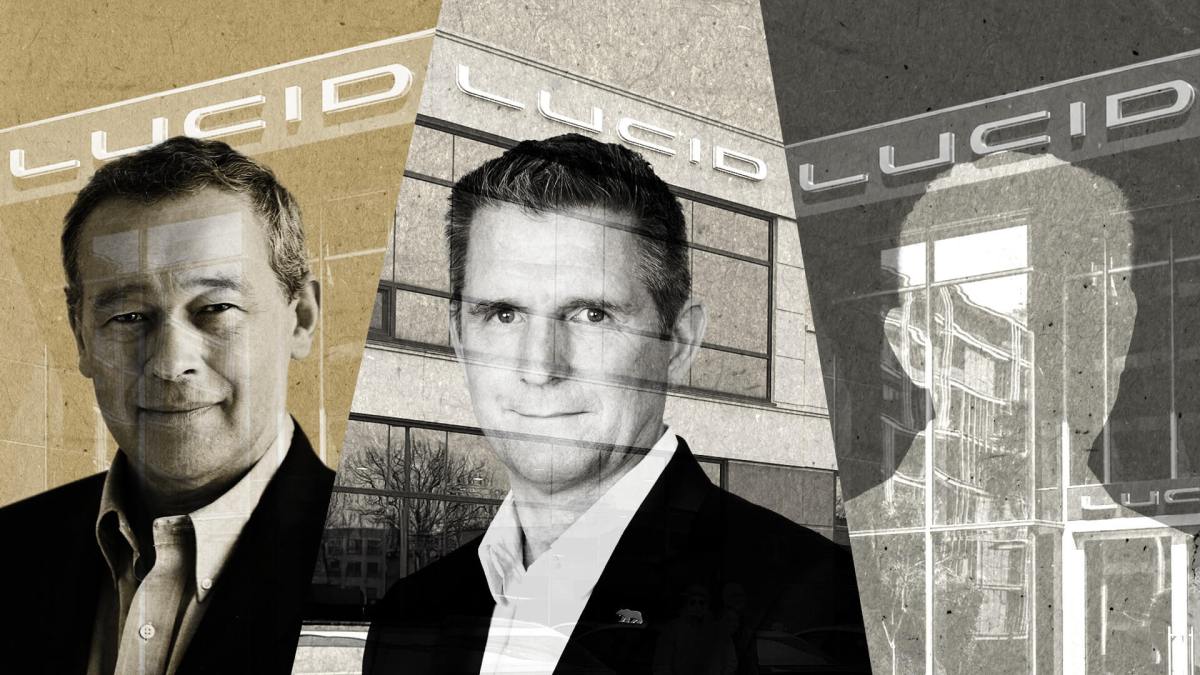
Lucid Motors, the Californian electric vehicle manufacturer, finds itself at a critical leadership impasse. A year has elapsed since Peter Rawlinson, the company's CEO since 2019, transitioned to a role as strategic technical advisor. Yet, the search for his permanent successor remains conspicuously unresolved. This leadership vacuum has not gone unnoticed by investors, as Lucid's stock plummeted to a record low, trading at $8.90 post-reverse stock split, as reported by Cláudio Afonso in CARBA.
The absence of a permanent CEO is a glaring issue for a company attempting to stabilize its position in a volatile market. Marc Winterhoff, who assumed the role of interim CEO in February 2024 following his tenure as Chief Operating Officer, brings a wealth of operational expertise from his previous roles in management consulting. Despite this, his interim status underscores the ongoing uncertainty about the company's strategic direction.
Strategic challenges and operational hurdles
Lucid's journey has been fraught with complexities. After going public in 2021 via a SPAC merger, the company initially captured investor enthusiasm with its bold vision for the electric vehicle market. However, it has since been beset by production setbacks, supply chain disruptions, and the looming presence of fierce competition. Established automakers and nimble new entrants are aggressively expanding their electric vehicle portfolios, applying pressure on Lucid to maintain and grow its market share.
Winterhoff's interim leadership has seen tangible progress, with production figures nearly doubling from 9,029 to 17,840 vehicles in 2025. His initiatives, such as a $300 million partnership with Uber for robotaxi services and an expansion into European markets, signal a strategic shift towards broader market penetration and technological integration. However, these efforts have yet to translate into financial stability, as demonstrated by the company's full-year net loss of $2.70 billion.
Leadership turnover and investor confidence
The leadership instability extends beyond the CEO's office. Lucid has witnessed a significant turnover in its executive ranks, with thirteen C-level or vice-presidents departing in just over two years. This pattern of executive churn raises concerns about the company's ability to maintain a cohesive strategic vision. The departure of key figures in engineering, finance, and commercial roles suggests underlying issues that require urgent resolution.
Investor confidence has waned, reflected in the sharp decline of Lucid's stock price. The company's ongoing financial struggles are exacerbated by leadership uncertainties, contributing to an environment of skepticism among stakeholders. As Lucid navigates these turbulent waters, the need for a strong, permanent CEO becomes ever more pressing.
Industry context and implications
The electric vehicle industry is undergoing rapid transformation, driven by regulatory pressures for sustainability and growing consumer demand for cleaner transportation alternatives. This dynamic landscape presents both opportunities and challenges for companies like Lucid. The introduction of new models and technologies requires agile leadership capable of steering the company through these changes.
Historically, companies in similar situations have faced significant challenges. Tesla, for instance, experienced leadership turmoil during its early years, which impacted investor confidence and operational execution. However, under the decisive leadership of Elon Musk, Tesla eventually turned its fortunes around, becoming a dominant player in the EV market. Lucid's current situation underscores the need for a strong, permanent leadership team to navigate the complexities of the evolving automotive landscape and to reassure investors of its long-term strategy and viability.
Industry analysts suggest that Lucid must quickly resolve its leadership conundrum to reassure investors and stakeholders. The upcoming Investor Day on March 12 offers an opportunity for Lucid to articulate its strategic roadmap, including its autonomy plans and new mid-size platform. This event could serve as a pivotal moment for the company to regain investor trust and demonstrate its commitment to a sustainable and profitable future.
Ultimately, the evolution of Lucid Motors hinges on its ability to secure transformative leadership. The company's survival in the competitive EV landscape depends on a clear vision and effective execution, which can only be achieved with a stable and capable executive team at the helm. The stakes are high, and the decisions made in the coming months will likely determine Lucid's trajectory in the years to come.
Stay informed on leadership transitions
Get the latest insights on interim management, fractional leadership, and business transformation delivered to you.
Subscribe now