Tim Cook's strategic pivot as Apple prepares for leadership transition
Tim Cook's leadership transformed Apple into a $4 trillion giant. As Mike Ternus takes over, Apple faces new tech challenges.
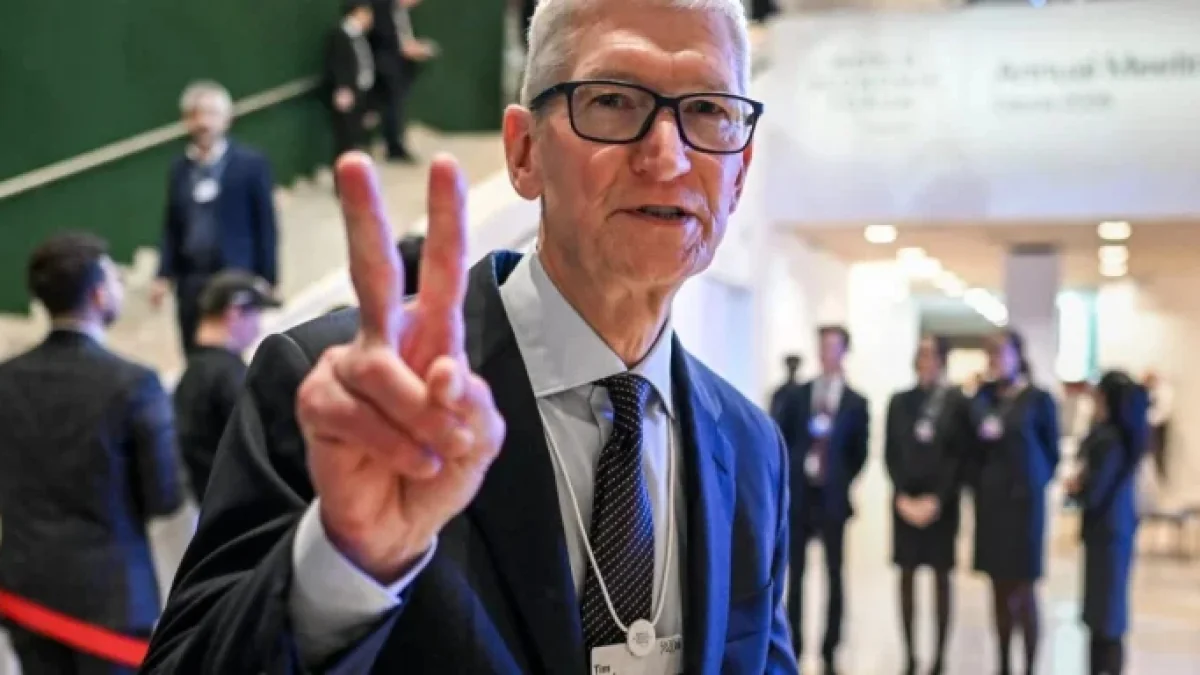
Tim Cook's tenure at Apple Inc. has been nothing short of transformative, guiding the company to a staggering $4 trillion market capitalization. Since taking the helm in 2011, Cook has overseen a revenue surge from $108 billion to over $416 billion, marking one of the most successful CEO successions in corporate history. As El-Balad.com's Bassyonni reports, Cook's leadership has been characterized by a strategic pivot towards services and wearables, setting Apple apart in a competitive landscape.
Initially stepping into the shadow of Apple's co-founder, Steve Jobs, Cook charted his own course. Unlike Jobs, whose visionary style defined a generation of products, Cook embraced his strengths as an operator and supply chain expert. This approach not only allowed Apple to expand its product line but also positioned privacy as a fundamental element of the brand. Under his guidance, iconic products like the Apple Watch and AirPods were launched, and the services division, including the App Store and Apple Music, flourished.
Strategic challenges and opportunities
The technology sector is no stranger to rapid change, and Apple is at a critical juncture. As artificial intelligence becomes increasingly central to tech strategies, Cook's methodical approach has faced scrutiny. Reports suggest that his successor, Mike Ternus, a seasoned hardware engineer with 25 years at Apple, may adopt a more decisive leadership style. This potential shift raises questions about how Apple will navigate the complexities of a tech landscape dominated by AI and software advancements.
Apple's current position is reminiscent of other tech giants at pivotal moments. For instance, Microsoft experienced a significant transformation under Satya Nadella, who pivoted the company towards cloud computing, driving substantial growth. Similarly, Cook's strategic focus on diversifying Apple's revenue streams through services has been instrumental in maintaining the company's growth trajectory. This diversification not only buffers Apple against market volatility but also aligns with the industry trend towards subscription-based models.
As Apple approaches this transitional phase, it must address potential market saturation in its core product categories while continuing to innovate in services and wearables. The company's ability to sustain momentum will largely depend on Ternus' leadership. His challenge will be to balance honoring Cook's legacy with embracing new strategies that align with the evolving demands of the tech industry.
Historically, transitions of this magnitude carry significant implications for both the company and the broader sector. When IBM transitioned leadership to Lou Gerstner in the early 1990s, the company shifted its focus from hardware to services, a move that revitalized its fortunes. Similarly, Apple's pivot towards services under Cook has opened new revenue streams that could prove vital in an increasingly competitive environment.
Implications for the tech sector
Apple's leadership transition comes at a time when the tech sector faces mounting pressures. Supply chain disruptions, inflationary pressures, and regulatory scrutiny are reshaping the landscape. As competitors like Samsung and Google continue to innovate, Apple must leverage its strong brand and customer loyalty to maintain its market position. The strategic decisions made during this transition will not only impact Apple's future but also set benchmarks for other companies navigating similar challenges.
Moreover, the focus on AI and software development will require Apple to invest in talent and technology that align with these emerging areas. Ternus' background in hardware could provide a unique perspective on integrating AI into Apple's product ecosystem, potentially leading to new innovations and maintaining Apple's competitive edge.
As Cook prepares to step down, his legacy at Apple is firmly established. His leadership has not only transformed Apple into a $4 trillion giant but has also set the stage for the next chapter in the company's illustrious history. The success of this transition will depend on Ternus' ability to steer Apple through the complexities of modern technology and market dynamics, ensuring that the company remains at the forefront of innovation and growth.
The real test for Ternus will be how effectively he can lead Apple through this new era, filled with both challenges and opportunities. The decisions made now will resonate across the tech industry, influencing how other companies approach leadership transitions and strategic pivots in the future.
Transition data
Stay informed on leadership transitions
Get the latest insights on interim management, fractional leadership, and business transformation delivered to you.
Subscribe now