TFL appoints interim CEO amid leadership transition and Gulf tensions
TFL appoints interim CEO amid strategic transition and geopolitical tensions in the Gulf.
TFL Group, a stalwart in the global leather industry, is currently in the midst of a significant leadership transition. The company has appointed an interim CEO following the departure of Dr. Schütt, a move that comes at a critical juncture as geopolitical tensions in the Gulf region threaten to disrupt global supply chains. As Megan Thomas reports in International Leather Maker, TFL's leadership change is strategically timed to address both internal and external challenges.
Dr. Schütt's exit marks the end of an era characterized by strategic initiatives focusing on sustainability and market expansion. His leadership was pivotal in enhancing operational efficiencies and forging influential industry partnerships. Now, Andre Lanning, a seasoned executive, will transition from CEO to a board role, leveraging his extensive experience to guide TFL's strategic direction from a governance perspective.
Leadership Transition in Context
The appointment of an interim CEO reflects TFL's commitment to continuity during this period of transition. Such moves are often seen in industries facing volatility, where maintaining stability is crucial. Interim leadership can provide the necessary bridge while a company reassesses its long-term leadership needs, ensuring that the business remains focused and resilient in the face of uncertainty.
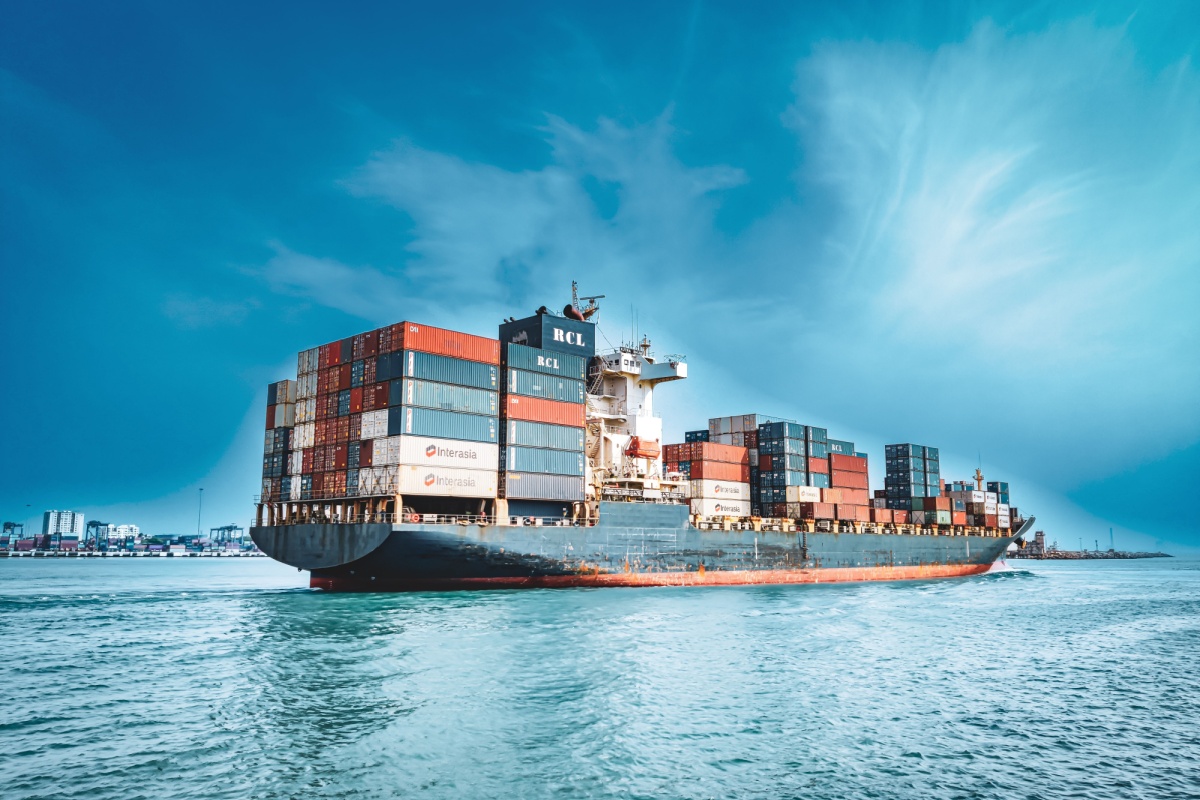
This strategic decision comes amidst heightened tensions in the Gulf region, which have significant implications for industries dependent on raw materials from these areas. TFL's introduction of temporary surcharges on freight and product costs is a proactive measure aimed at mitigating potential disruptions. This approach highlights the company's adaptability and its focus on maintaining pricing stability in an unpredictable environment.
Impact and Implications for the Leather Industry
The leather industry, where TFL is a key player, is no stranger to challenges. From fluctuating raw material costs to increasing regulatory pressures regarding sustainability, companies in this sector must navigate a complex landscape. The current geopolitical climate only exacerbates these challenges, requiring companies to adopt flexible strategies to safeguard their supply chains and financial health.
TFL's response to these external pressures by imposing surcharges may set a precedent for other companies in the sector. This trend towards flexible pricing strategies could become more commonplace as firms seek to balance operational costs with market demands. Such strategies not only help in managing immediate risks but also position a company to better capitalize on opportunities when stability returns.
Historical Precedents and Strategic Analysis
Historically, leadership transitions within the leather sector have had mixed outcomes. Some companies have thrived under interim leadership, stabilizing operations and even prospering during times of crisis. Others have struggled, often due to ineffective transition management or a lack of clear strategic vision. TFL's decision to appoint an interim CEO suggests a deliberate approach to avoid the pitfalls of transitional turmoil.
For TFL, the strategic implications are manifold. The interim CEO will need to focus on maintaining the momentum of ongoing projects while also preparing the company for future challenges. This includes continuing the emphasis on sustainability, a core tenet of TFL's business strategy, and ensuring that the company remains a leader in providing high-quality leather solutions across automotive, fashion, and upholstery markets.
Future Prospects and Strategic Decisions
Looking forward, TFL's strategic decisions during this leadership transition will be crucial. The interim CEO's role will be pivotal in steering the company through these turbulent times, ensuring that TFL not only survives but thrives amid geopolitical uncertainties.
The company's ability to adapt and respond to external pressures while maintaining its core values and operational standards will determine its future trajectory. As the leather industry continues to evolve, driven by technological advancements and changing consumer preferences, TFL's leadership must remain agile and forward-thinking.
Ultimately, TFL's recent developments underscore the complexities of managing leadership changes in a volatile market environment. The proactive measures and strategic foresight demonstrated during this period will be instrumental in reinforcing TFL's position as a leader in the global leather industry, ensuring its continued success and resilience.
Transition data
Stay informed on leadership transitions
Get the latest insights on interim management, fractional leadership, and business transformation delivered to you.
Subscribe now