Shashank Shalabh leads Seattle's shift to fractional CMO model
Shashank Shalabh advances Seattle's tech sector with his fractional CMO expertise, offering strategic marketing leadership to growth-stage firms.
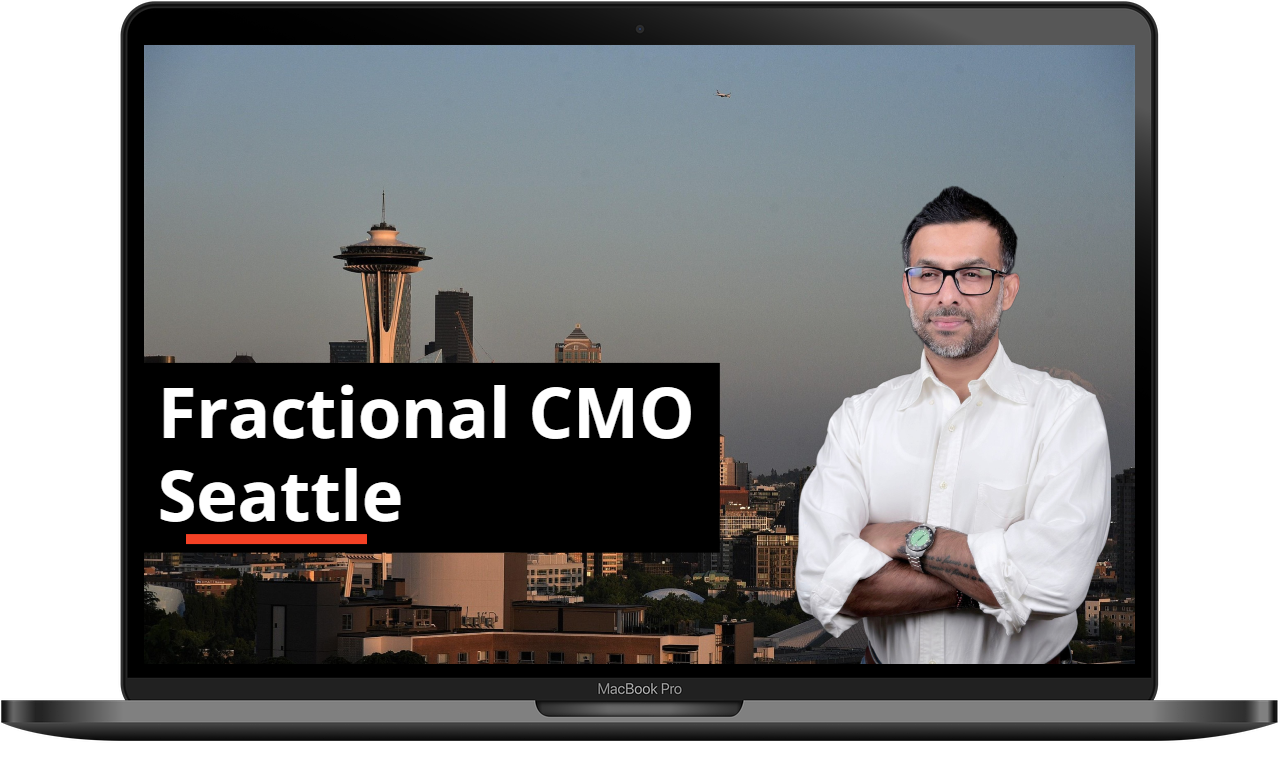
Shashank Shalabh is making notable strides in Seattle's dynamic tech sector by stepping into the role of a fractional Chief Marketing Officer (CMO). According to his personal website, Shalabh’s expertise is customized for growth-stage companies, particularly those in the B2B SaaS and cloud industries with annual recurring revenues (ARR) ranging from $3 million to $50 million.
Seattle, a burgeoning hub for technology innovation, hosts industry giants like Amazon and Microsoft, and is a fertile ground for startups and scale-ups. This ecosystem is enriched by a plethora of private equity-backed tech firms eager to capture greater market share. Shalabh's role as a fractional CMO strategically aligns with these companies' needs, offering executive-level marketing leadership without the full-time overhead.
The trend towards hiring fractional executives mirrors a broader shift in how companies approach leadership. This model is increasingly popular as it allows organizations to tap into specialized skills on a flexible, as-needed basis. This approach is particularly appealing to Seattle's engineering-driven companies, which often hit growth ceilings when marketing becomes a bottleneck. These firms typically achieve initial success through product strength and word of mouth, but face challenges in scaling beyond the $5 million to $15 million ARR range without strategic marketing intervention.
Shalabh brings a comprehensive go-to-market (GTM) strategy focused on technical buyers. His methodology includes demand generation for enterprise sales, reducing customer acquisition costs (CAC) through precise targeting, and providing clear key performance indicator (KPI) reporting from the outset. His ability to lead teams and hire effectively is a critical asset for companies rapidly building a robust marketing function.
The Seattle market's technical sophistication and depth, particularly in the B2B SaaS and cloud sectors, distinguish it as a unique landscape. The city boasts a dense mix of cloud, developer tools, and enterprise software companies. The presence of major players like Amazon and Microsoft heavily influences market dynamics, creating a base of experienced, technical buyers who demand clear positioning and strong proof. This environment makes traditional B2B marketing tactics less effective.
For Shalabh, the challenge lies in addressing the unique needs of Seattle's tech buyers, who are typically skeptical of hype and generic messaging. His strategy emphasizes technical credibility and peer validation, which resonate more with this audience than standard marketing claims. By focusing on systematic demand generation earlier in the growth cycle, Shalabh helps companies establish a sustainable pipeline beyond the initial ARR milestones.
Historically, the shift to fractional leadership has proven advantageous for companies aiming to innovate and expand. For instance, many tech firms have successfully employed fractional executives to drive specific initiatives, resulting in improved market positioning and accelerated growth. This trend is particularly pronounced in Seattle, where private equity activity is on the rise, with more rollups, platform plays, and growth mandates. These transactions often necessitate immediate senior marketing leadership, which is where Shalabh’s fractional approach fits perfectly. His role is to sharpen positioning, build demand generation systems, and deliver the board-level reporting that investors expect.
Moreover, Seattle's market is less driven by founder networks and personal relationships than other startup hubs. Growth depends earlier on repeatable demand generation. Product-led growth, strong technical content, developer community presence, and credible technical thought leadership consistently generate pipeline beyond $5 million to $10 million ARR. Shalabh’s expertise in building GTM systems for these technical markets is crucial for companies seeking to scale efficiently.
The implications for the tech sector are significant. As the demand for skilled marketing leadership continues to grow, Shalabh's model may well serve as a blueprint for other companies in Seattle seeking to enhance their marketing strategies in a competitive, rapidly evolving tech landscape. Companies are beginning to recognize the value of fractional leadership in navigating the complexities of modern marketing, particularly in sectors characterized by rapid innovation and technical depth.
In conclusion, Shalabh’s work as a fractional CMO is emblematic of a broader transition in how businesses approach marketing leadership, one that favors agility, expertise, and strategic alignment with business objectives. As Seattle continues to solidify its status as a major tech hub, the role of fractional executives like Shalabh will likely become even more integral to the region's growth story.
Transition data
Stay informed on leadership transitions
Get the latest insights on interim management, fractional leadership, and business transformation delivered to you.
Subscribe now