Navigating digital transformation in maritime operations
Maritime industry embraces digital shift with FMS as interim CEO Steve Bomgardner leads transformation via MarineLink.
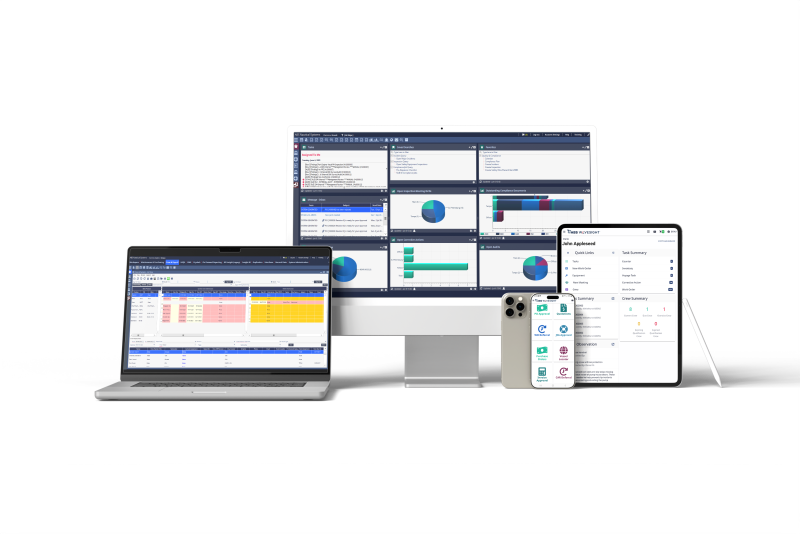
The maritime industry stands on the brink of a fundamental shift. Driven by technological advances and stringent regulatory requirements, the sector is increasingly embracing digital solutions to enhance operations. At the forefront of this transformation is the adoption of a flexible Fleet Management System (FMS), a strategic initiative that Cpt. Steve Bomgardner, Interim CEO of ABS Wavesight, fervently champions. As detailed in a report by MarineLink, Bomgardner underscores the critical role a robust FMS plays in ensuring a predictable and safe digital transition.
Bomgardner's leadership comes at a time when the maritime industry faces unprecedented challenges. The International Maritime Organization's ambitious targets for reducing greenhouse gas emissions have forced companies to rethink operational practices. Meanwhile, the COVID-19 pandemic has accentuated the need for enhanced safety protocols and remote monitoring capabilities, further propelling the shift towards digital solutions. Bomgardner's extensive experience in maritime operations and strategic management positions him well to lead this complex transition.
Implementing a digital-first management solution is no small feat. It demands more than just updating software; it requires a holistic transformation of existing processes. Traditionally, companies have attempted to retrofit new systems into outdated workflows, a strategy that often falls short. Instead, a digital-first approach should be adopted, where cumbersome, paper-based procedures are transformed into efficient digital operations. This shift not only streamlines processes but also empowers crew and shore staff to work more effectively.
For vessel operators, the digital transformation journey presents two primary challenges. The first is the need to critically assess and redesign existing processes to align with business goals. This involves determining which practices to discard and which to retain, ensuring that the new system enhances efficiency rather than impeding it. The second challenge is the synchronization of front-end functionality upgrades with the underlying data. Without this alignment, the functionality of new systems may remain limited or partially effective.
ABS Wavesight's Nautical Systems™ FMS offers a comprehensive solution to these challenges. It facilitates interoperability between maintenance, purchasing, and crew management functions, providing vessel operators with a 'pulse check'—an in-depth analysis of current operations and potential improvements. This approach not only optimizes operations but also ensures compliance with regulatory standards, ultimately saving time and reducing costs.
A prime example of this transformation is the adoption of ABS Wavesight eLogs™, which digitalizes record-keeping processes. By reducing the time crews spend on paperwork, resources can be reallocated to high-value tasks. Despite initial resistance, the benefits of transparent and efficient information sharing have made eLogs increasingly popular, especially as more Flag States approve their use.
The strategic implications of adopting a robust FMS are significant. It signals a commitment to modernization and operational excellence, key factors in enhancing competitiveness in a rapidly evolving market. By improving efficiency and safety, companies can better position themselves to meet regulatory demands and customer expectations, ultimately leading to improved financial performance.
Historically, the transition to digital systems in the maritime sector has yielded mixed results. Companies that successfully integrated technology into their operations often saw substantial gains in efficiency and safety. However, those that struggled with implementation faced challenges such as resistance to change and inadequate training. Bomgardner's leadership will be crucial in navigating these potential pitfalls and ensuring a successful transition for ABS Wavesight's clients.
The maritime industry's journey towards digital transformation is not without its hurdles. Organizational change is inherently challenging, and software must support rather than obstruct this process. Feedback from ABS Wavesight users suggests that while other systems may offer a modern aesthetic, NS provides a comprehensive and future-proof solution. This confidence is crucial as companies navigate their digital transformation journeys.
In conclusion, the adoption of a robust FMS is more than a technological upgrade; it is a strategic move towards operational excellence. As maritime companies strive to meet regulatory demands and customer expectations, these digital solutions offer a pathway to enhanced competitiveness and improved financial performance. With Bomgardner at the helm, ABS Wavesight is well-positioned to lead this transformation, setting a precedent for the industry.
Stay informed on leadership transitions
Get the latest insights on interim management, fractional leadership, and business transformation delivered to you.
Subscribe now