Marelli appoints Fritz Henderson as interim CEO amid leadership transition
Marelli appoints Fritz Henderson as interim CEO to steer through restructuring.
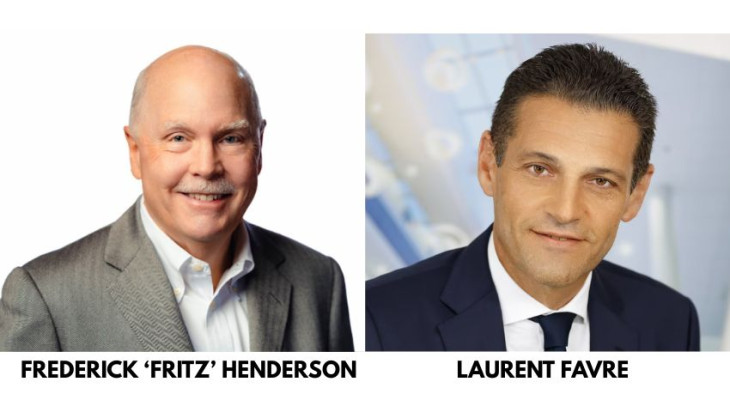
Marelli, a key player in the global automotive technology landscape, has made a decisive leadership shift by appointing Frederick 'Fritz' Henderson as interim CEO. This change is effective immediately and occurs as the company navigates the complexities of a Chapter 11 restructuring process. Henderson takes over from David Slump, who will maintain a strategic role on Marelli’s Board of Directors during this transitional period.
This leadership change at Marelli is particularly significant given the current state of the automotive industry. Companies are contending with rapid technological advancements, a shift towards electric vehicles (EVs), and the increasing importance of sustainable practices. Marelli, formed in 2018 through the merger of Magneti Marelli and Calsonic Kansei, is well-positioned to leverage its expertise in electronics, lighting, and powertrain technologies to navigate this evolving landscape.
Henderson's appointment underscores Marelli's strategic intent to stabilize its operations and lay the groundwork for future growth. With a career steeped in leadership across the automotive and industrial sectors, Henderson is no stranger to steering companies through transformative phases. His tenure as CEO of General Motors and executive roles at Suncoke Energy and Adient lend him the experience necessary to guide Marelli through its current challenges.
Adding depth to this transition, the Ad Hoc Group of lenders to Marelli has announced plans to appoint Laurent Favre as the company’s future CEO, following Henderson's interim stewardship. Favre, who brings a wealth of experience from his leadership roles at Faurecia, Valeo, and Renault, is set to take the helm with a focus on innovation and continuity. His forthcoming leadership is expected to align with Marelli’s goals of strengthening its position in the EV and sustainable mobility sectors.
Beyond the CEO role, Marelli is undergoing a broader executive restructuring. Roberto Fioroni has been named Chief Financial Officer, succeeding Alanna Abrahamson, and Helen Redfern has been appointed Chief Human Resources Officer, both effective May 1, 2026. Fioroni, with two decades of financial leadership experience at companies like Dowlais Plc, General Electric, and Goodyear, brings a focus on financial discipline and operational efficiency. Redfern's extensive HR experience, including her tenure at Dowlais Plc, Kier Group, and Ferguson, comes at a crucial time as Marelli seeks to drive performance through strategic human resource management.
As Executive Chairman of the Board Dinesh Paliwal notes, "Fritz’s operating experience and automotive expertise will be invaluable to Marelli as we work through the final months of this process." Henderson himself has emphasized the importance of ensuring stability and continuity, stating, "My priorities are to finalize our strategic roadmap and support a successful emergence from Chapter 11."
The automotive industry is experiencing a period of unprecedented change. With the rise of digitalization and the push for greener technologies, companies like Marelli are under pressure to adapt quickly to maintain their competitive edge. This transition period at Marelli represents a pivotal moment as the company seeks to realign its strategies to meet these challenges.
Historically, leadership transitions in the automotive sector have had significant impacts. When Ford appointed Jim Hackett as CEO in 2017, the company underwent a substantial restructuring to better align with new market realities. Similarly, Marelli’s leadership change could herald a strategic pivot aimed at enhancing its competitive position in a rapidly evolving market, emphasizing the importance of strong governance and visionary leadership.
David Slump, reflecting on his tenure, expressed pride in the company's achievements over the past four years, particularly in innovation and technology. Marelli has been proactive in its approach to innovation, aiming to cement its role as a leader in the shift towards electric and sustainable vehicles. This focus is critical as consumer preferences increasingly lean towards greener alternatives, and as regulatory pressures mount globally.
As Marelli prepares for its next phase of growth, the leadership transition underscores the company's commitment to strong governance and visionary leadership. This is crucial for navigating future challenges in the automotive sector, where the ability to adapt to technological and market shifts will determine success. With Henderson's interim leadership setting the stage for Favre’s long-term strategic vision, Marelli appears poised to tackle the challenges and opportunities that lie ahead.
Transition data
Stay informed on leadership transitions
Get the latest insights on interim management, fractional leadership, and business transformation delivered to you.
Subscribe now