Coupang's interim CEO faces US scrutiny amid trade tensions
Coupang's interim CEO Harold Rogers faces US scrutiny, potentially triggering a Section 301 probe amid rising trade tensions.
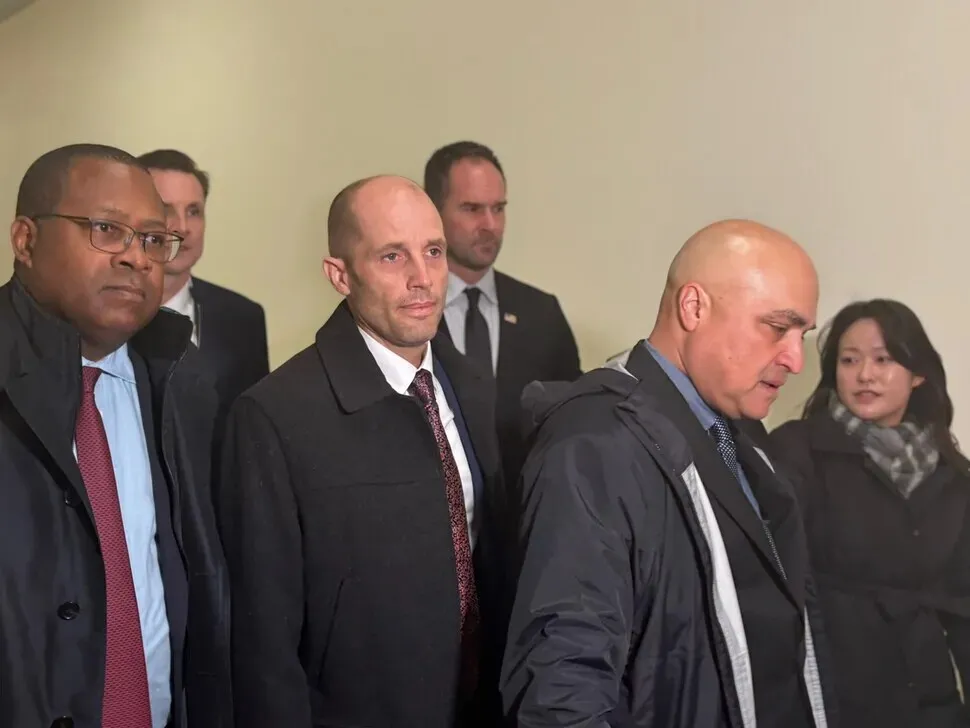
Harold Rogers, the interim CEO of Coupang, stands at a crucial juncture as he navigates the e-commerce giant through a labyrinth of regulatory scrutiny and international trade tensions. On Monday, Rogers appeared for a closed-door deposition before the US House of Representatives. This move, as reported by Kim Won-chul in Hankyoreh, could potentially ignite a Section 301 investigation into South Korea's trade practices, casting a spotlight on the complex interplay between corporate governance and international trade policy.
Rogers, who assumed the interim leadership of Coupang amid growing regulatory pressures, was called to testify about a substantial information leak and the subsequent response from the Korean government. The deposition was conducted by the House Judiciary Subcommittee on the Administrative State, Regulatory Reform, and Antitrust at the Rayburn House Office Building. This inquiry comes at a pivotal moment for US-South Korea trade relations, with potential ramifications that could extend far beyond the immediate issues at hand.
Coupang, often likened to the 'Amazon of South Korea,' has significantly reshaped the retail landscape with its innovative logistics network and rapid expansion strategies. However, its ambitions to extend its footprint into the US market face potential hurdles amidst current regulatory climates. The possibility of a Section 301 investigation, spurred by requests from Coupang investors such as Greenoaks Capital Partners and Altimeter Capital Management, could lead to tariffs and sanctions, directly impacting Coupang's market strategies and operational dynamics.
The Section 301 mechanism has historically been a robust tool in the US trade policy arsenal, employed to combat unfair trade practices by foreign governments. Should it be invoked against South Korea in the case of Coupang, the fallout could strain diplomatic ties and reshape trade dynamics between Seoul and Washington. The Trump administration's intent to leverage this mechanism post a Supreme Court ruling on reciprocal tariffs further underscores its potential impact.
Rogers' leadership during this tumultuous period is critical. With a background in technology and operations, his ability to guide Coupang through this regulatory storm will be a litmus test of his strategic acumen and crisis management skills. Interim leaders, especially in high-growth, high-stakes environments like e-commerce, must navigate both internal and external pressures adeptly to maintain momentum and stakeholder confidence.
The potential investigation is emblematic of a broader trend in which large tech companies globally are under increased regulatory scrutiny. Issues ranging from data privacy to competitive practices are at the forefront of legislative agendas worldwide. How Coupang maneuvers through these challenges could set a precedent for other foreign e-commerce giants eyeing the lucrative US market.
Looking at historical precedents, similar situations have unfolded with international tech firms such as Huawei and ZTE. These companies faced significant operational challenges as a result of US government investigations, highlighting the risks associated with regulatory actions. For Coupang, the stakes are high, and the implications of any adverse findings could extend well beyond financial penalties, affecting its reputation and long-term strategic objectives.
Moreover, the focus on Coupang's dealings with South Korean government bodies, including the Korea Fair Trade Commission and the National Intelligence Service, underscores the intricate nature of global business operations. The demand for unedited communications highlights the level of scrutiny foreign companies are subject to when operating in a global context.
As the situation unfolds, the role of interim leaders like Rogers becomes even more critical. Their ability to steer companies through regulatory and geopolitical challenges can define the future trajectory of their organizations. For Coupang, the coming months will be a test of resilience and strategic foresight, with Rogers at the helm navigating these turbulent waters. His success—or failure—in addressing these challenges will likely influence how foreign e-commerce companies are perceived and treated in the US, potentially reshaping future market dynamics.
In conclusion, while the immediate focus is on the deposition and its implications, the broader narrative is one of transition and transformation within the e-commerce sector. As Coupang and other tech giants grapple with these challenges, the role of interim leadership in guiding these transitions cannot be overstated. The strategic decisions made in these moments will have lasting impacts on the industry's evolution and the interplay of international trade relations.
Stay informed on leadership transitions
Get the latest insights on interim management, fractional leadership, and business transformation delivered to you.
Subscribe now